What to Expect
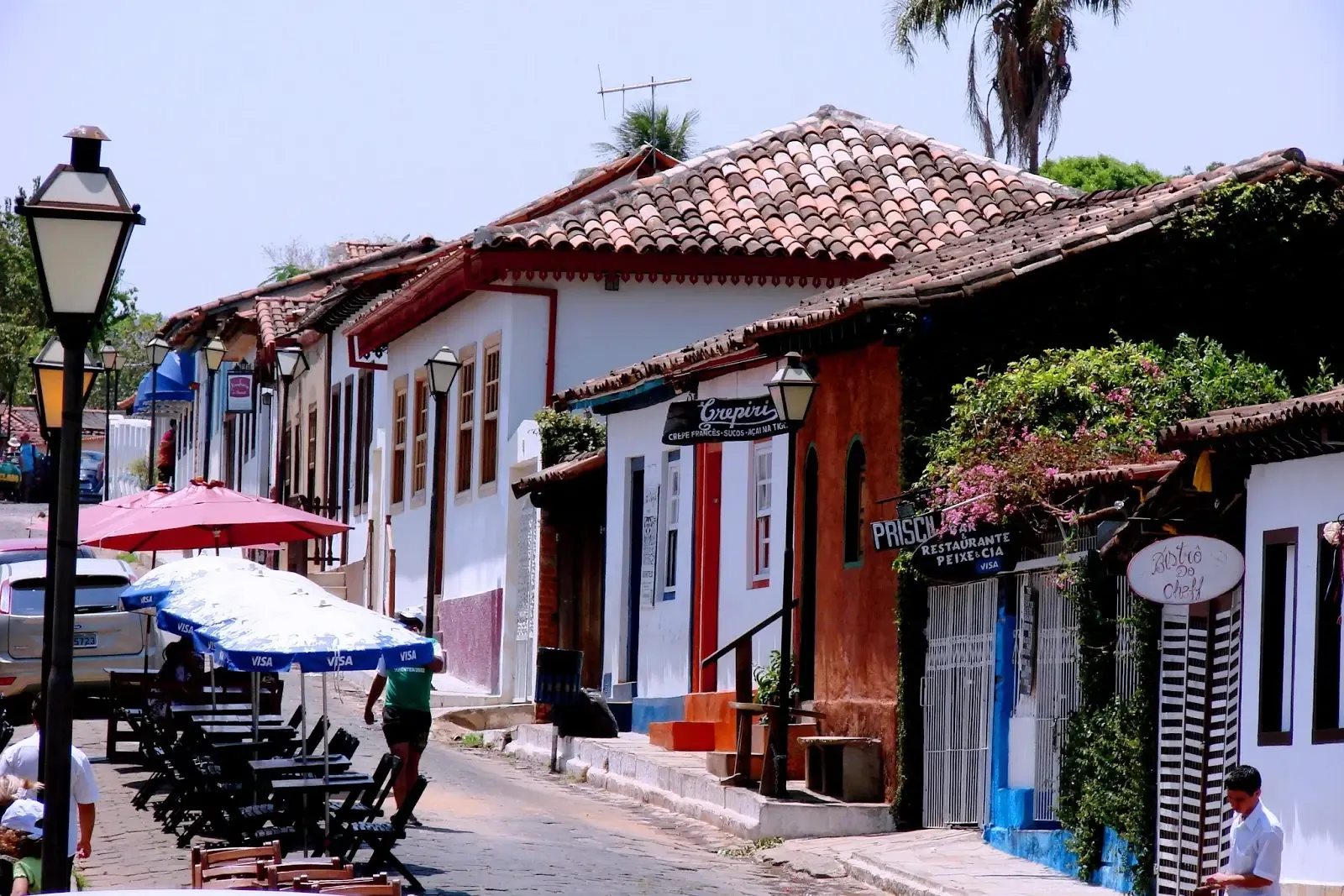
In 1727, gold prospectors arrived on the banks of the Rio das Almas and founded the settlement of Meia Ponte, which was renamed Pirenópolis in 1890 in honor of the mountain range that embraces the city. Since the gold rush was short-lived, the architecture remained simple and unpretentious, with colorful colonial houses, cobblestone streets, and centuries-old churches, many of them protected by IPHAN and easy to explore on foot within just a few blocks.
Tradition is still very much alive here. For more than 200 years, the Festa do Divino has featured the Cavalhadas, with riders dressed in blue and red reenacting battles between Moors and Christians, while the masked figures fill the streets with celebration and mischief. Throughout the rest of the year, the calendar remains lively, with events such as Canto da Primavera, the Gastronomic Festival, and lively evenings along Rua do Lazer, where empadão goiano and the flavors of the Cerrado are enjoyed around the tables.
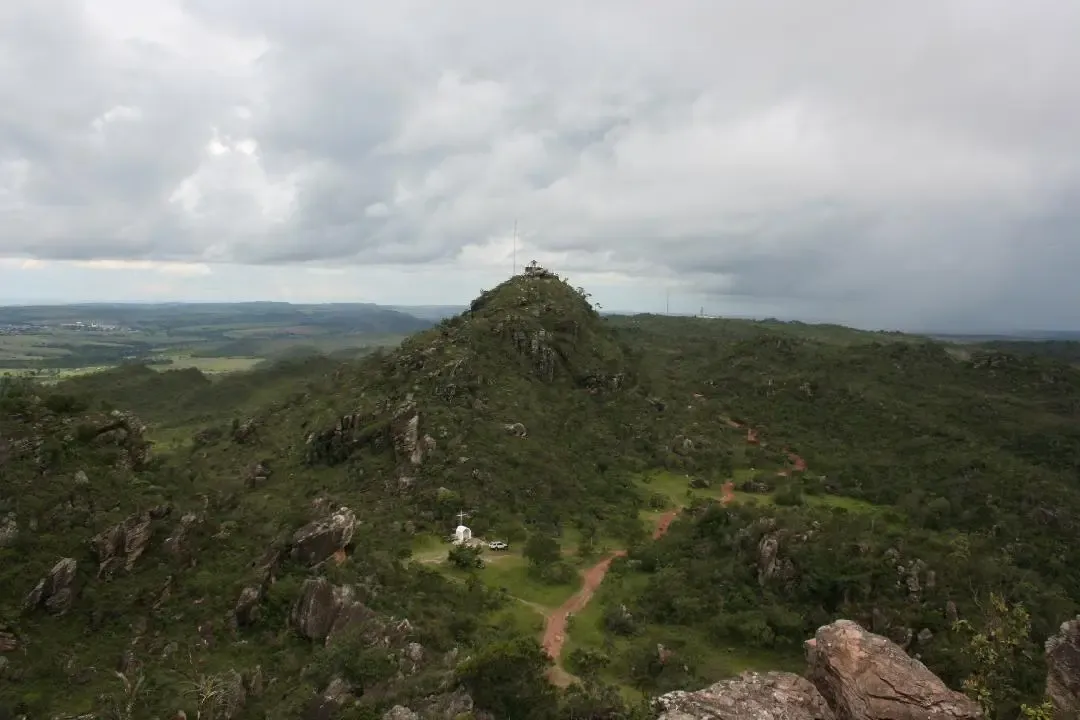
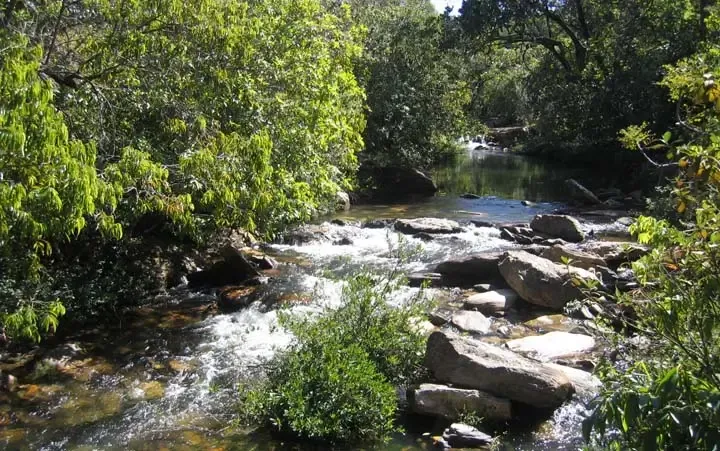
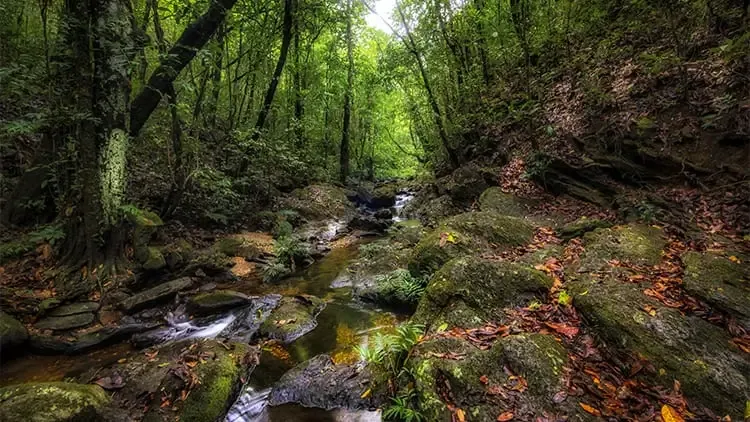
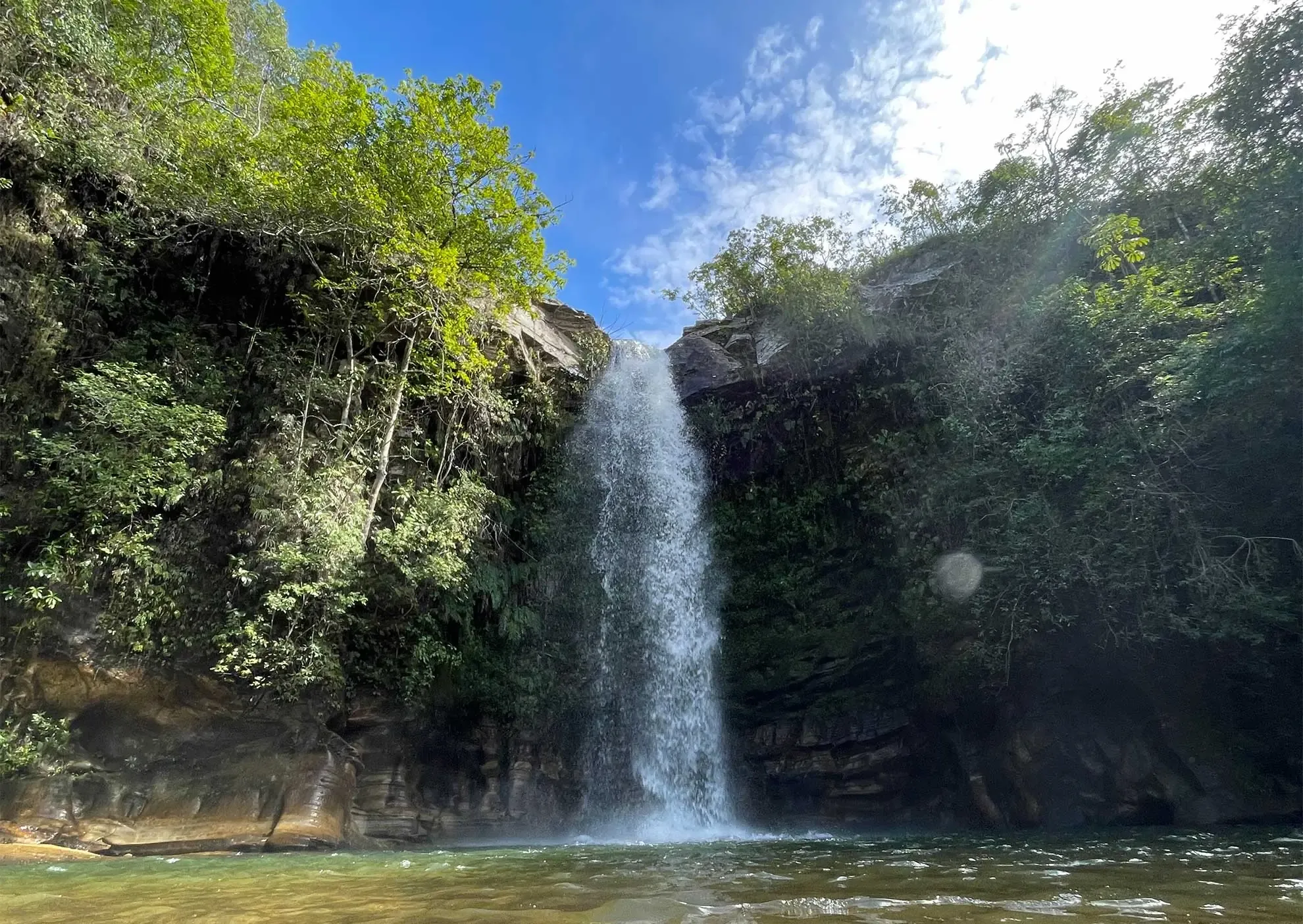
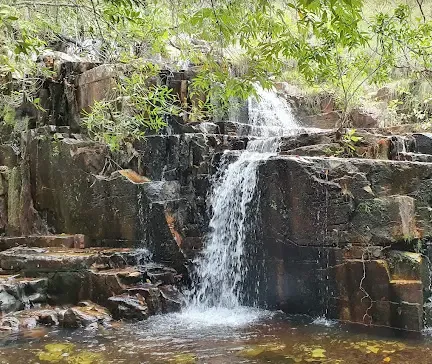
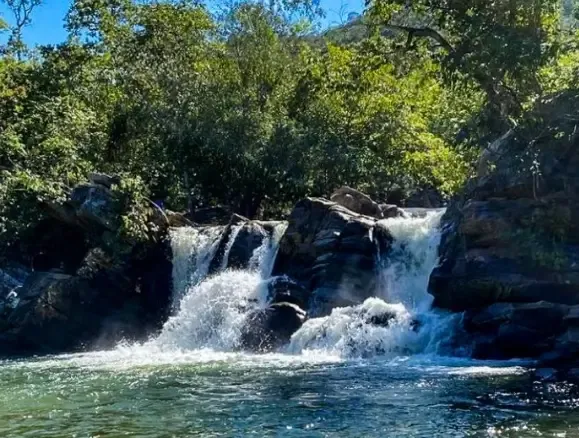
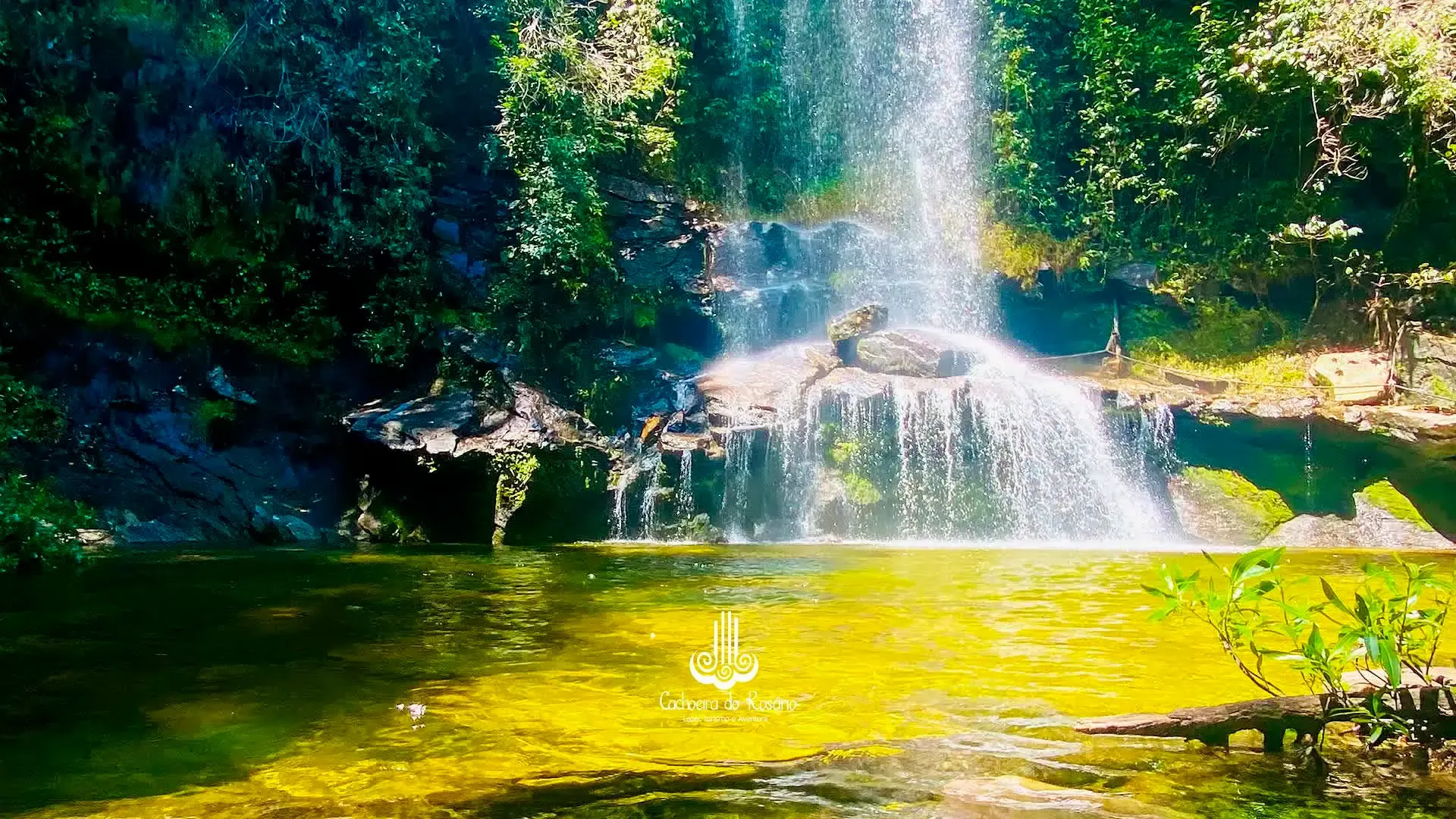
Just outside the city center, the cobblestones give way to the Cerrado. The Serra dos Pireneus is home to more than 80 waterfalls, including Cachoeira do Abade, with its 22-meter drop, and Cachoeira do Rosário, known for its emerald-green waters. For sweeping views from above, head to Pireneus State Park, where the highest point reaches 1,385 meters. And if all you want is a refreshing swim, Prainha is right on the Rio das Almas, next to the wooden bridge.
Pirenópolis is just as much for adventurers as it is for those who simply want to take their time, eat well, and come back for more.